Category Archives: Home Improvement

Contractors In High Demand

Contractor Hotline was founded in August 2006, when the economy was strong and demand for home improvement services was high. Those days were much like the present, when good contractors stayed busy with their customer’s home repair and remodeling needs. But, those days didn’t last long before the recession pretty much brought business to a grinding halt.

Prior to that time, we knocked on a lot of doors trying to get the attention of good contractors interested in new business. By the end of 2008 the tables began to turn and many of those same contractors were seeking out our services. Over time we retained a lot of those original contractors, recruited many more, and built a solid network of quality home improvement professionals. We have been through these times together and value the relationships we have with each other.

Fast forward, we now find ourselves in an interesting housing market. If you have sought out the services of a contractor lately, you likely discovered delays are imminent, especially on larger scale projects. Several factors contribute to current conditions.

Real estate inventory continues to be modest, helping drive home values higher. Many homeowners whose property values were dramatically reduced during the recession are experiencing significant appreciation. This opens up the opportunity for many to make long deferred home maintenance improvements. Others are updating or remodeling their existing homes, rather than waiting to find the next ideal home to purchase. For those who are selling their homes, repairs or updates are sometimes necessary to prepare the home to show well and sell quickly for the best price. New buyers often make improvements such as painting or replacing flooring, before moving in. Each of these circumstances, in addition to an upsurge in new construction, all contribute to an increased demand for good contractor.

Remodeling contractors report they are the busiest they have been in ten years. Some are booking work as far out as 6-12 months. While this can be good news for contractors, it puts an increased strain on the consumer. Homeowners pressured to get work done sometimes take risks, knowingly or unknowingly. Just like the days prior to the recession, stories of illegitimate contractors posing as licensed, bonded, and insured professionals are becoming more common. Contractors disappearing with a homeowner’s deposit, abandoning a job midway, or doing shoddy work are on the rise. Some employees of contracting firms decide to grab the brass ring and strike out on their own. What many of them fail to understand is that it takes a lot more than being a great mason, painter, or remodeling contractor to run a successful business. What goes on in the background such as paying off vendors, obtaining lien releases, and keeping current on insurance premiums and taxes, can impact their customers.

Hiring a contractor during high demand times not only requires due diligence, but also planning as far in advance as possible. Setting unrealistic goals can be stressful and lead to disappointment. Allow 6-12 months for larger scale remodels and home additions. In a soft market when contractors are readily available it can still take weeks and sometimes months to go through the process of meeting contractors, procuring proposals, and obtaining permits. The better prepared you are from the start will help expedite the process. Larger projects may require building plans before contractors can provide bids. Finish materials need to be decided upon and a budget established. Reviewing proposals, checking references, and finalizing a contract are all important steps, prior to getting on the contractor’s schedule. It’s easy to see how it can take months just to reach this point.

Some improvements are seasonal, such as exterior painting for example. Waiting until the weather is ideal is often too late to get on a good painter’s schedule. Starting the process in late winter or early spring helps to ensure there will be multiple contractors to choose from and that your project will be completed during the optimum season.

If you plan to sell your home in the next 6-12 months, now would be the time to have a professional home inspection. A thorough inspection will likely cost less than $500 and well worth the money spent. It should include the structural components, basement or crawl space, foundation, drainage, attic, electrical, plumbing, heating & air conditioning systems, and the full exterior. Allowing plenty of time to address any problem areas in advance will help make the sale of the home go more smoothly. You will also have the option to share the report with prospective buyers, which can be a positive selling point.

Buyers often want to make improvements to their new home before moving in. If the seller is agreeable to allowing prospective contractors into the home prior to closing, this will help expedite the bidding process. Deciding on a contractor and getting your project scheduled prior to possession will save valuable time. Focus on the projects that would be most difficult to complete after you have moved into the home. Painting and flooring are much easier to complete in a vacant house. Larger remodels may require a delayed move-in date or completing in stages so a portion of the home can be closed off from the construction area.

It is realistic to expect the demand for home improvement professionals to remain high for the foreseeable future. Regardless of the size of your next project, it is imperative to plan ahead and be patient.

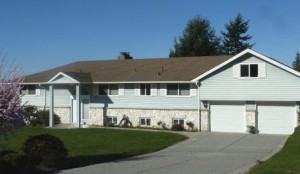
 

Remodeling 2016 Cost vs. Value Report

Most home improvement projects are initially prompted by a need or desire to expand or modify your home to better suit your family’s needs or lifestyle. Doing some research before finalizing your plans may also help maximize the return on your investment at resale.

The Remodeling 2016 Cost vs. Value Report (www.costvsvalue.com) is a valuable resource. The full report examines 30 popular projects ranging from lower cost improvements to upscale remodels and home additions. It compares average costs by region across the U.S. and the value those projects are expected to yield at resale. Following is a local look at the Top 5 Best Value Home Improvement Projects in the greater Seattle area, according to and more fully described in the Cost vs. Value Report

Attic Insulation (fiberglass)

Adding or upgrading fiberglass insulation in the attic tops the charts as the highest valued investment at resale of all 30 projects evaluated across the U.S., as well as the Seattle area. It is estimated the project locally could yield as much as a 150.3% return on investment.

The project example includes air-sealing a 35×30 attic floor to address air leaks from conditioned space to unconditioned space. Fiberglass loose-fill insulation is then added, placing it over the top of any existing insulation that may already be present, until an R-30 insulation value is reached.

Manufactured Stone Veneer

Stone Veneer Accent

Stone Veneer Accent

The second project with the highest possible return includes adding a stone veneer accent to the front of the home. This relatively modest investment can dramatically change the exterior and increase curb appeal. Imagine a street of similarly designed homes and one of them has been upgraded with this classic look. If you were shopping for a home on that street, which one would pop out at you?

At a significant potential return of 142.8%, this upgrade has great value. The example in the Cost vs. Value Report includes removing 300 square feet of vinyl siding from the entire bottom third of the front of the home. Replace with a manufactured stone veneer, two layers of water-resistant barrier over bare sheathing, corrosion-resistant lath and fasteners, and a ½ inch mortar scratch coat and setting bed.

Garage Door Replacement

Garage Door Replacement

Garage Door Replacement

A strong third place contender involves replacing an older garage door with a new, updated door. Even though this upgrade dropped to third place from second in 2015, the resale value actually increased from 121.3% to 141.8% for a midrange replacement door. The report describes a 4-section, un-insulated, embossed steel door on new galvanized steel tracks (reusing existing motorized opener) with a 10 year warranty.

An upscale garage door replacement could fetch up to a 136.9% return, up from 110.5% in 2015. The upscale 4-section, high tensile steel door is insulated, includes insulated glass windows in the top panel, heavy-duty galvanized steel tracks (reusing existing motorized opener), and has a lifetime warranty.

Entry Door Replacement (Steel)

Entry Door Replacement (Steel)

Entry Door Replacement (Steel)

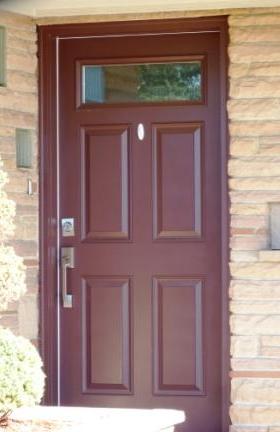
We all know how important first impressions can be. Nothing spruces up the look of a home quite like a new front door. Replacing the entry door is a relatively quick and easy job and adds instant curb appeal. For those handy around the home, it might even be a DIY project.

Ideally this investment may reduce utility costs and has a potential 127.9% return on a midrange steel door, including half-glass panel, and new brass or antique-brass lockset.

Window Replacement (Vinyl)

Window Replacement (Wood)

Window Replacement (Wood)

Replacing older, double-hung windows with insulated, low-E, vinyl windows, has multiple benefits.

The investment is expected to again more than pay for itself at an estimated 113.8% return. Not only can it also increase curb appeal, it has the added benefit of outside noise reduction and lower energy costs.

© 2016 Hanley Wood, LLC. Complete data from the Remodeling 2016 Cost vs. Value Report can be downloaded free at www.costvsvalue.com.

Our expertise is matching customers with the most appropriate service professional for their project. Each contractor is licensed, bonded, and insured, has successfully passed a thorough screening process including reference checks and regular credential audits, and continues to meet high standards of workmanship and professionalism.

Kitchen & Bath Design

Interior design is the first step toward any successful remodeling project. Connecting with a designer who is passionate about your project and who has the necessary skills to help make your ideas a reality is critical. If you are planning anything from a single room remodel to an entire home renovation project, we have you covered. But don’t take our word for it! One of the most sought after designers in our network of home service professionals, Genay Bell Interior Design, was recently named Best Kitchen and Bath Designer in 425 Magazine’s Best of 2016. Way to go Genay!

Genay brings her many years of experience and talent to the table, helping her clients achieve stunning results.  If you would like to be connected with Genay for any of your remodeling needs, we would be happy to walk you through the process. Our easy, one-stop process will help you put together an elite team of home remodeling professionals to assist with your entire project, from design to finish.

Mother-in-law Kitchen & Bath Remodel

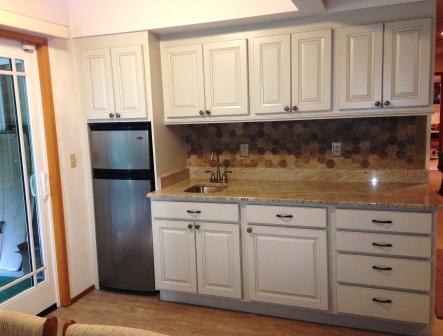
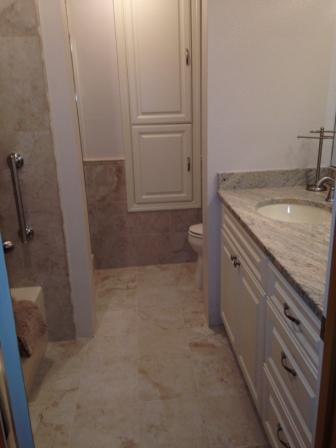
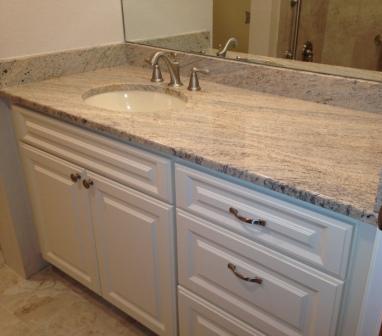
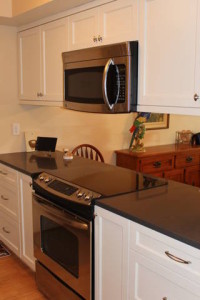
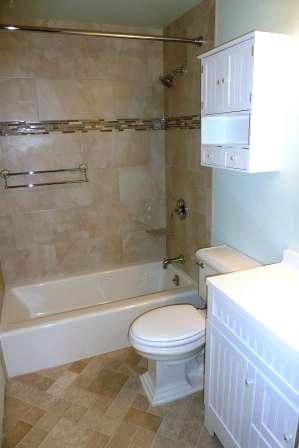
This mother-in-law kitchenette and bathroom remodel includes all new cabinets, countertops, floors, appliances, fixtures, and lighting. This guest area has been tastefully updated and ready for company! Click on the link for more pictures.

Kitchen - Before Remodel

Kitchen – Before Remodel

Kitchen Remodel - after

Kitchen Remodel – after

Bathroom - Before Remodel

Bathroom – Before Remodel

New Bathroom Floor & Cabinetry - After Remodel

New Bathroom Floor & Cabinetry – After Remodel

New Bathtub Surround

New Bathtub Surround

New Bathroom Vanity

New Bathroom Vanity

Spotlight on Edmonds Real Estate

Thank you Wayne Purser of Coldwell Banker Bain in Edmonds and My Edmonds News for the opportunity to be a guest on Spotlight on Edmonds Real Estate. Tune in to Wayne’s monthly real estate weather reports for valuable real estate sales data and important factors affecting the local Edmonds economy and the greater Puget Sound.


2016 Home Improvement Trends

What is hot in home improvement in 2016?

Lifestyle and energy efficiency are behind many popular home improvement and remodeling trends. Smart homes are on the rise as new technology helps homeowners monitor and control everything from access and security, to lighting, heating and cooling, and the sprinkler system. According to Imagineer Remodeling master baths that resemble spas, kitchens with spacious, open floor plans, and even customized spaces to bathe and feed our 4-legged family members, are on the rise.

Following are a few trends we see gaining popularity locally and among our customers.

Drought Tolerant Landscaping

The idea of replacing water thirsty lawns with native, drought tolerant plants, is gaining a lot of momentum in the Pacific Northwest. The challenge is to find plants that tolerate minimal water during the summer and will survive long, cold, and wet winters. Doing your homework and consulting with a local landscape company that specializes in drought tolerant gardening will help to ensure a successful transition.

Incorporating features such as a stone pathway, concrete or block stairs to access terraced levels, or a comfortable place to sit and enjoy the fruits of your labor, add interest and contrast.

Drought Tolerant Landscaping

Accessory Dwelling Units

Many modern families are returning to more traditional, multi-generational households. The concept isn’t anything new. Aging parents in need of more care often move into their children’s homes. But aging parents are not the only folks to influence the evolution of Accessory Dwelling Units (ADU’s).

Baby boomers are often caught in the squeeze of economic stresses, sometimes faced with three or four generations living in the same home. In addition to senior parents, many adult children have returned to their parent’s home, often bringing younger children with them too.

Immigrants also influence the demand on housing. Multi-generational living is often favored by different cultural groups.

Depending on specific circumstances, finishing a basement or attic, or converting a garage, may provide adequate living space. Other times, adding an in-law suite may be more suitable. Ideally, the additional living space will have a private entrance, bedroom, bathroom, living area, and some type of kitchen.

Incorporating Universal Design into the improvement will ensure the home is safe, functional, and meets the needs each generation requires. It can be as simple as improved lighting and grab bars. Wider halls and doorways, roll-in showers, and lower countertops address more specific needs.

ADU’s can also be an income generating asset. As the families needs change, what might be practical today for the in-laws may later turn into a source of rental income or an attractive resale feature.

Outdoor Living Spaces

As summers seem to grow longer and warmer, bridging the inside of the home to an outdoor living space is gaining popularity.

Patios or decks fully or partially covered with a roof extension provide protection from both sun and rain showers, and take advantage of naturally cooling breezes. More elaborate designs allow year round use by converting from an open air concept to a closed room during cooler months of the year.

Energy Efficiency

There are so many ways to improve a home’s efficiency. Some require a considerable financial investment and thus take longer to reap the savings. High efficiency heating and cooling systems are gaining interest. Solar power and water heating systems can save money in energy costs and increase property value.

But even a modest investment can have a real impact on reducing your homes carbon footprint. Since the federal energy bill was passed a number of better performing lighting options have become available. More options are popping up in the holiday lighting aisle as well.

Tube skylights, or sun tubes, are relatively inexpensive to purchase and have installed. Depending on the location of the tube, the average do-it-yourself type who is comfortable working on the roof can install them on their own. A 10-inch tube can light approximately 200 square feet of floor area, or the equivalent of roughly three 100-watt bulbs. Larger tubes provide even more light.

Whole house fans can be an efficient way to cool many different types of homes. Proper installation is key and best left to a professional.

Home Energy Audit – Should You Have One?

Home Energy Audit – Should You Have One?

Home energy audits help you understand how much energy your home uses and identify ways to improve its efficiency. There are many things you can do on your own such as caulk and weather strip around doors and windows or wrap exposed water pipes. But many homes are so inefficient that even after completing the more obvious improvements, there are still many ways to further reduce your home’s energy consumption and increase comfort.

A professional audit can cost upwards of $400 or more but when used wisely can pay for itself in a short amount of time. If this is out of your budget, there are do-it-yourself alternatives. For starters, there are easy online surveys such as Energy Star’s Home Energy Yardstick. The survey compares your home’s efficiency to similar homes in your area. Another, more comprehensive self-study is the Home Energy Saver. Snohomish County PUD also offers a free online energy audit called the Home EnergyAdvisor.

While an online audit can be a good starting point, it is no substitute for a home inspection by a professional energy auditor. A Home Energy Audit is an investment to help you determine the best steps to increase your homes efficiency.

The many benefits to a Home Energy Audit and related improvements include:

  • Improved comfort & safety
  • Enhanced appearance
  • Increased salability
  • Reduced environmental impact
  • Assists in tenant retention of investment properties

Many home improvements such as adding insulation or replacing the furnace are not inexpensive. Having an audit conducted before making these improvements will help prioritize the best approach for long term value. It doesn’t do much good to install a new heating system if the air leaks have not been addressed. Planning a remodel? Having an audit completed before starting a remodel will help you plan and incorporate energy saving upgrades into your project.

The following are questions to consider when determining if your home is operating as efficiently as it could.

  • Is your home comfortable during hot and cold seasons?
  • Are your energy bills excessive?
  • Does your heating/cooling system run constantly to maintain a comfortable temperature?
  • Are there drafty rooms or variable temperatures throughout the house?
  • Do you have cold floors in the winter?
  • Is moisture on the windows?
  • Do you have excessive dust?

A thorough inspection will determine what components are negatively affecting the comfort and efficiency of your home. Based on the inspection results, you should have a good understanding of recommended repairs and improvements, along with an idea of estimated costs and potential annual savings in energy bills.

A professional auditor uses a variety of techniques and equipment to determine the energy efficiency of your home. A thorough audit will include:

  • Blower Door Test (used to de-pressurize the home and expose air leaks)
  • Infrared Camera Scan (used to reveal hard-to-detect areas of air infiltration and missing insulation)
  • Combustion Safety Testing (detects carbon monoxide leaks)
  • Complete Basement to Attic Inspection
  • Survey of Appliances & Lighting Systems

The following video Energy 101: Home Energy Assessment provided by the Department of Energy explains each of these steps in detail.

Home Energy Audits alone won’t save energy. You need to implement the recommended improvements. The results of the audit will help prioritize repairs and put a short or long term plan in place, depending on the extent of improvements needed and your budget.

A Home Energy Auditor should be certified through either the Building Performance Institute (BPI) or Residential Energy Services Network (RESNET). Both BPI and RESNET have set standards for home energy professionals and are recognized by the Department of Energy and Environmental Protection Agency. View a list of certified BPI accredited contractors near you.

Currently Seattle City Light customers can obtain a Home Energy Audit for $125. Rebate programs are available and in some cases, free weatherization services for those who meet income qualifications. For more information visit the Energy Conservation page of their website or call an Energy Advisor at 206-684-3800.

Puget Sound Energy (PSE) offers their electric and natural gas customers a free HomePrint Assessment of their home’s energy use. It includes a customized summary of recommended energy efficiency upgrades, information about equipment rebates, contractor referrals, and helpful tips on how to save energy. For more details, contact a PSE Energy Advisor at 1-800-562-1482.

Snohomish County PUD customers with electric heat may qualify for cash incentives toward energy-saving home improvements. The Weatherization & Heating program includes eligible upgrades toward floor, wall & ceiling insulation, insulated windows, heat pumps, duct sealing & insulation, and Energy Smart loans. Contact the Energy Hotline with questions at 425-783-1700.

Beware – Energy Saving Scams! Snohomish County PUD warns of scams committed by phone, mail, text, and even in-person visits to homes and businesses. If you received a notice in the mail, someone visited your home or business, or you received a text or phone message demanding payment of an unpaid bill, please beware. Visit Snohomish County PUD or call 425-783-1000 for more details to report or avoid becoming a victim of an energy saving scam.

Top 5 Best Value Home Improvement Projects

Top 5 Best Value Home Improvement Projects

If you own a home, it is likely you have an ongoing wish list of future home repairs or upgrades. Deciding which improvements are most important to you and your family, as well as which improvements will produce the best return on your investment, is worth giving careful consideration.

The following article breaks down the Top 5 Best Value Home Improvement Projects in the Seattle area, according to the Remodeling 2015 Cost vs. Value Report (www.costvsvalue.com). The full report examines 36 popular projects ranging from lower cost improvements to upscale remodels and home additions. It compares average costs to make the investment by region across the U.S. and the value those projects are expected to yield at resale. More detailed descriptions of each project can also be found in the full report.

Entry Door Replacement (Steel)

Entry Door Replacement (Steel)

Entry Door Replacement (Steel)

We all know how important first impressions can be. Nothing spruces up the look of a home quite like a new front door. Replacing the entry door is a relatively quick and easy job and adds instant curb appeal. For those handy around the home, it might even be a DIY project. Potentially this investment could reduce utility costs and has a potential 124.2% return for a mid-range steel door with new lockset.

Garage Door Replacement

Garage Door Replacement

Garage Door Replacement

Upgrading the garage door has a similar eye popping effect as a new front entry door and is the second leading improvement in terms of value. A mid-range 4-section, un-insulated door on new galvanized steel tracks (reusing existing motorized opener) with a 10 year warranty is expected to bring a 121.3% return. Selecting an upscale high tensile steel door that is insulated, includes windows in the top panel, and has a lifetime warranty yields a slightly lower, yet still significant return of 110.5%.

Stone Veneer Accent

Stone Veneer Accent

Stone Veneer Accent

Keeping with this year’s theme of adding curb appeal, the third project with the highest possible return is adding a stone veneer accent to the front of the home. This relatively modest investment can dramatically change the exterior and potentially increase salability. At a potential 101.2% return, this upgrade has great value. The example in the report includes removing a 300 square foot strip of vinyl siding from the entire bottom third of the front of the home. Replace with a manufactured stone veneer along the full façade, outlining an arched entry. Imagine a street of similarly designed homes and one of them has been upgraded with this classic look. If you were shopping for a home on that street, which one would pop out at you?

Window Replacement (Wood)

Window Replacement (Wood)

Window Replacement (Wood)

Replacing older double-hung windows with insulated wood windows has multiple benefits. The investment is expected to again just about pay for itself at an estimated 99.5% return. As with the first three improvements, this one again increases curb appeal. However, it also comes with the added benefit of outside noise reduction and lower energy costs.

Minor Kitchen Remodel

Minor Kitchen Remodel

Minor Kitchen Remodel

The last but not least home improvement project includes a minor remodel of a 200 square foot kitchen that is currently functional but in need of cosmetic updates. It leaves the cabinet boxes intact but replaces the cabinet fronts with raised-panel wood doors and drawers, including new hardware. Replace laminate countertops, sink, faucet, flooring, wall covering, and paint the trim. Replace wall oven and cook top with new energy-efficient models. Being careful to stay within a modest budget this type of remodel could yield a 97.1% return.

© 2015 Hanley Wood, LLC. Complete data from the Remodeling 2015 Cost vs. Value Report can be downloaded free at www.costvsvalue.com.

Our expertise is matching customers with the most appropriate service professional for their project. Each contractor is licensed, bonded, and insured, has successfully passed a thorough screening process including reference checks and regular credential audits, and continues to meet high standards of workmanship and professionalism.

Structural Repairs and Basement & Crawlspace Waterproofing

Structural repair and basement and crawlspace waterproofing services are available for both our residential and commercial customers.

Foundation Repairs

If you have a foundation problem such as cracks in the foundation wall, buckling walls, or sagging floors, we have the right people to help inspect and evaluate the best approach to permanently repair and restore your home’s structure back to its original position. We can help with foundation wall stabilization and straightening, foundation crack repairs, leveling floors, crawl space repair, and installing foundation piers.

Retaining Wall Repairs

Tilting or leaning retaining walls, cracked retaining walls, retaining walls separating from adjacent walls, and crumbling or deteriorating retaining walls are common problems. In many cases the retaining wall can be restored to its original appearance and structural integrity with the use of wall anchors and helical tiebacks. Removing and rebuilding the wall is expensive and often not necessary unless it is showing extensive deterioration.

Concrete Leveling & Lifting

Concrete driveways, patios, walkways, and concrete slabs that are cracked or tilting are often caused by erosion or a weak or shifting soil base. Neglecting to repair these problem areas can result in safety hazards and will only get worse with time. Concrete lifting and leveling uses structural foam injection PolyLEVEL; a unique expanding polyurethane foam. This approach is less destructive than many other products and techniques, and a cost effective and permanent solution compared to removing and replacement.

Basement and Crawl Space Waterproofing

Wet, humid, and musty basements or crawl spaces are all too common in the northwest. Water will find its way through any opening, including foundation walls, floors, and the joints between them. A complete Basement System can solve water damage problems including flooding, mold, and poor air quality.

Please let us know if we can help with any of your structural repairs or waterproofing needs.

Basement & Crawl Space Waterproofing
Crawl Space Support Repairs
Concrete Leveling & Lifting
Drainage Repair
Foundation Repair
Helical Tiebacks
Helical Piles
Hillside Stabilization
Micropiles / Soil Nails
Pin Piling
Push Piers
Slab Piers
Retaining Wall Repair & Stabilization
Structural Engineering
Structural Repairs / Framing / Concrete Seismic Retrofitting